
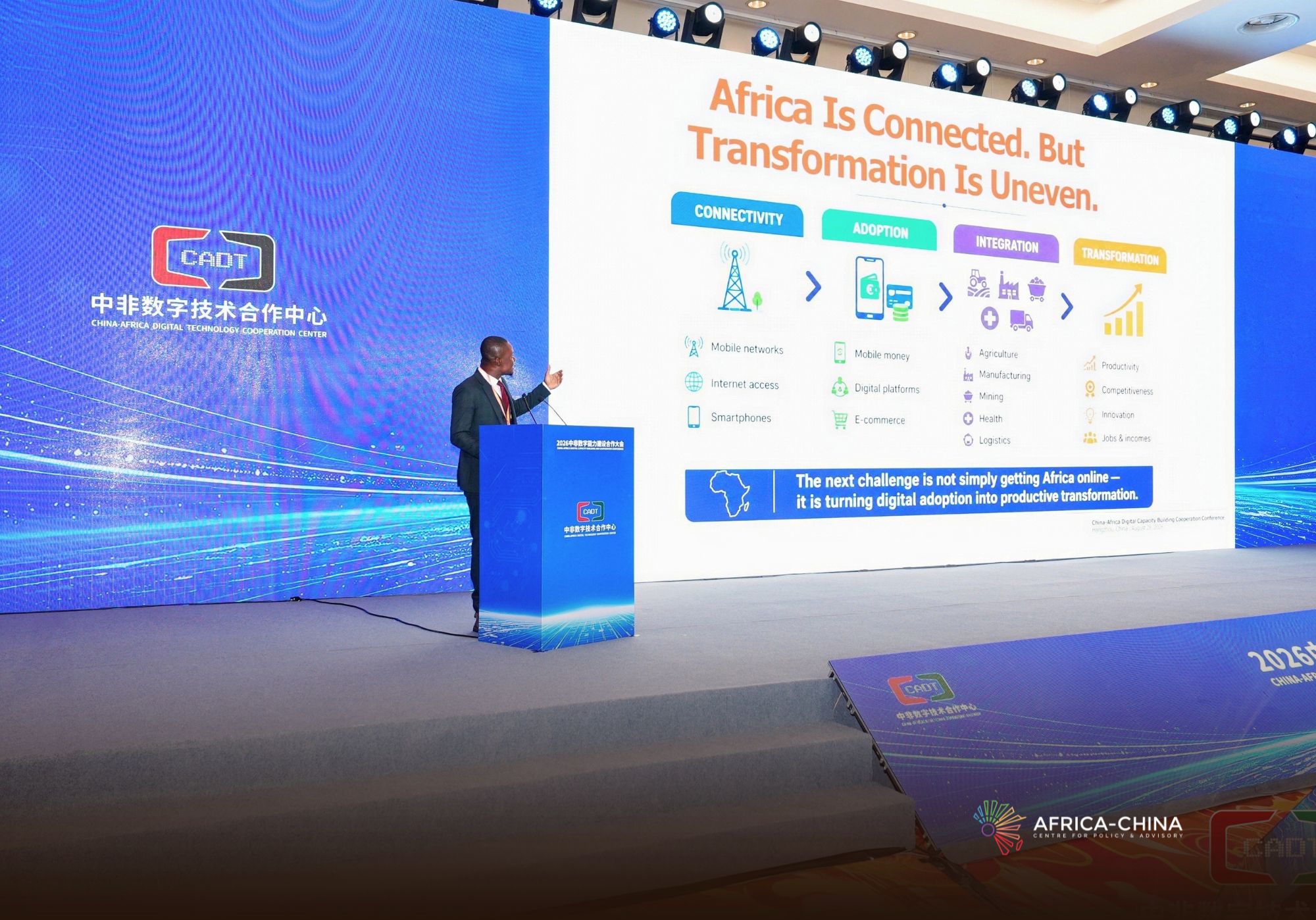
Beyond Digital Adoption: How Africa Can Turn China–Africa Technology Cooperation into Development Capability
China–Africa digital cooperation offers significant opportunities, but its outcome is not predetermined. Africa’s digital future will depend on whether access to technology is converted into knowledge, productive capacity and institutional strength. The goal is not technological isolation, but technological agency: the capacity to choose, adapt, govern and increasingly create digital solutions. Cooperation becomes a genuine development partnership when African actors move beyond receiving technologies to shaping how they are designed, applied and developed.

From FOCAC Commitment to Institutional Reality: The Emerging Architecture of China–Africa Digital Cooperation
At the 2024 FOCAC Beijing Summit, China and African countries committed to establishing a China–Africa Digital Technology Cooperation Centre and advancing 20 digital infrastructure and transformation demonstration projects. The Centre’s opening in Hangzhou in August 2026 marks a shift from diplomatic intent towards institutional implementation.

Beyond Extraction: Can Critical Minerals Drive Africa’s Industrialization?
The continent possesses an extraordinary share of the world’s critical mineral wealth. The Democratic Republic of Congo (DRC) dominates global cobalt production, while Zambia remains indispensable to copper supply and Zimbabwe occupy an important position in the global lithium supply chain.
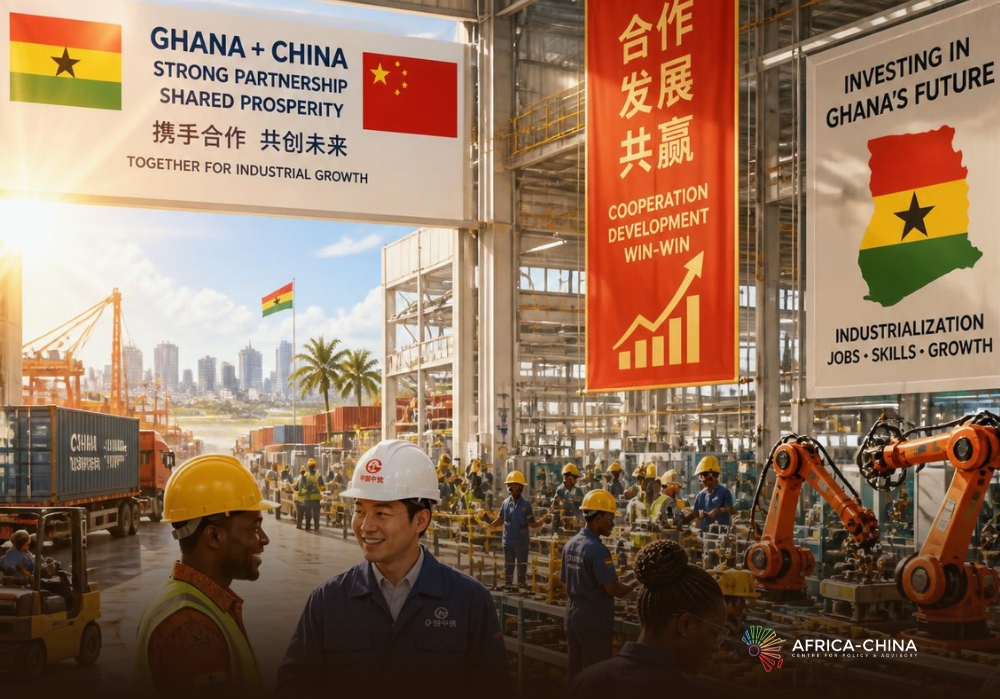
From Exports to Factories: Can China’s Zero-Tariff Policy Attract More Manufacturing Investment to Ghana?
China’s zero-tariff policy offers Ghana an opportunity that extends well beyond expanding exports of primary commodities. Its greatest potential lies in attracting investment that transforms raw materials into higher-value manufactured products within the country.
China’s Zero-Tariff Policy: Can Ghana Compete Beyond Cocoa?
China’s zero-tariff initiative presents Ghana with an important opportunity to expand its exports into one of the world’s largest consumer markets. For a country seeking to strengthen foreign-exchange earnings, create jobs and reduce dependence on a narrow range of commodities, improved access to the Chinese market could be significant.

Africa’s Green Taxonomies compatibility with MSMEs: What can be improved with learnings from Europe and Asia
African countries are moving fast on green finance taxonomies. South Africa published its Green Finance Taxonomy in 2022. Rwanda’s Cabinet approved its own in April 2025. Zambia launched one in December 2025. Kenya became the first African country to set a mandatory adoption timeline. The African Development Bank validated a continental framework designed, in its own words, “by Africans, for Africa.”
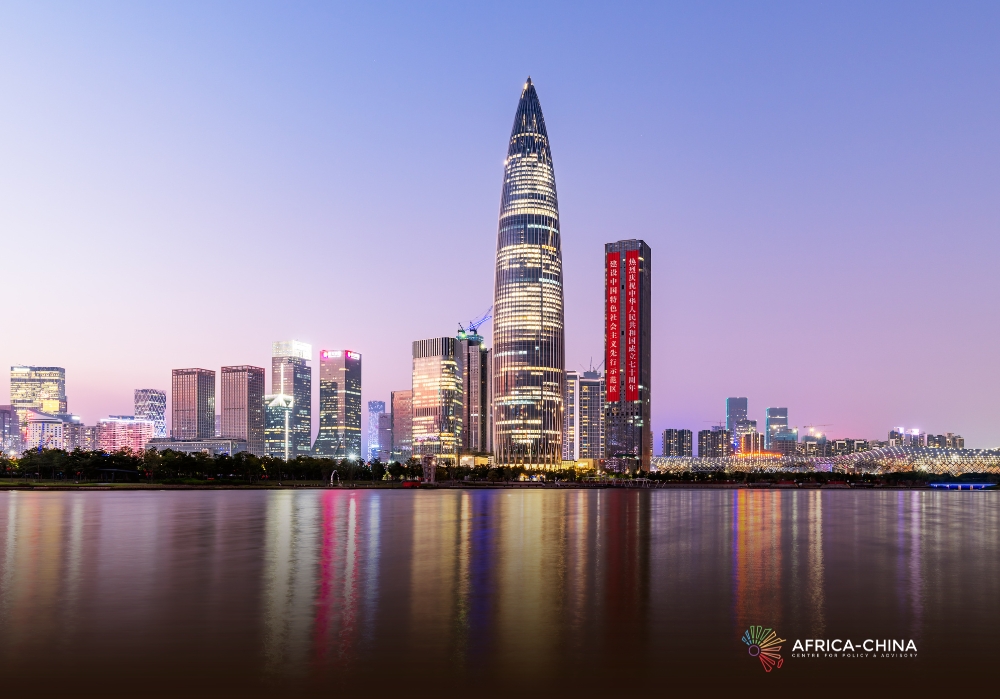
Reflections on China’s Modernization Journey at 105: Perspectives for Africa
As China marks the 105th anniversary of the Communist Party of China, the occasion presents an opportunity to reflect on one of the world’s most consequential modernization journeys. For Africa, the value lies not in replicating China’s path, but in critically examining the experiences, policies and institutions that have contributed to its transformation.

China’s Emerging Sustainability Framework & Africa’s Critical Minerals Future
China has emerged as the dominant player in global critical mineral supply chains, controlling substantial share of extraction, mineral processing, refining, battery manufacturing and electric vehicle production. Today, Chinese companies are among the largest investors in Africa’s mining sector. However, China’s approach to overseas mining is also evolving after years of weak and limited regulation.

Beyond Trade: Can Zero Tariff Trigger Industrialization in Africa?”
The opportunity is real, but its success is not guaranteed. Turning trade advantages into manufacturing capacity, jobs, and economic diversification will require deliberate choices and sustained commitment from all stakeholders.
Zero tariffs have created a new opportunity. Turning it into industrialization will depend on the choices made today.

The Commercial Blind Spot: Why Eswatini Remains Outside China’s Preferential Tariff Framework
China’s decision not to extend preferential tariff treatment to the Kingdom of Eswatini is fundamentally a story of missing infrastructure, not physical roads or ports, but the institutional architecture that makes trade agreements function in practice. At the heart of this impasse lies a simple but consequential reality: China does not maintain an embassy in Mbabane.