
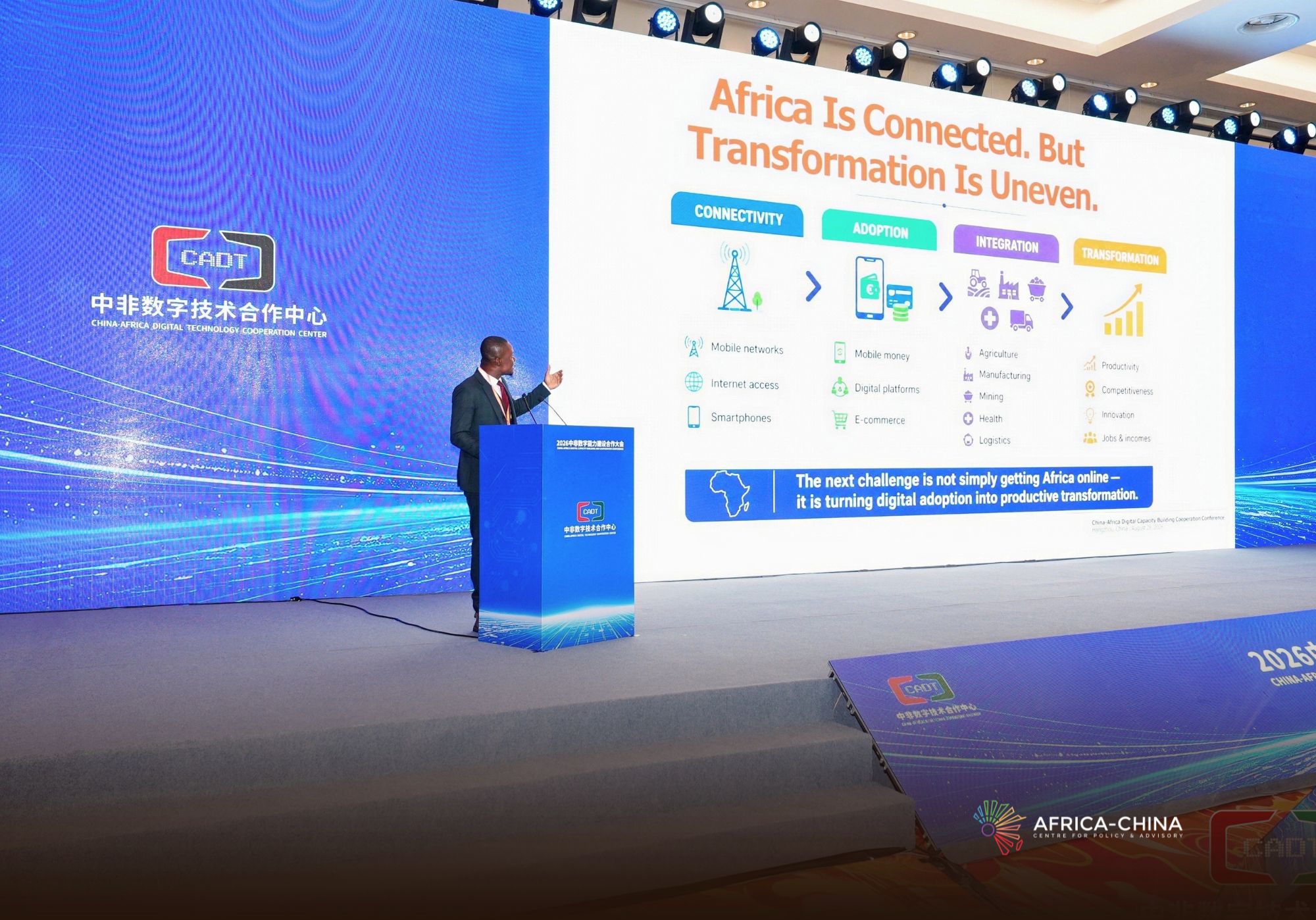
Beyond Digital Adoption: How Africa Can Turn China–Africa Technology Cooperation into Development Capability
China–Africa digital cooperation offers significant opportunities, but its outcome is not predetermined. Africa’s digital future will depend on whether access to technology is converted into knowledge, productive capacity and institutional strength. The goal is not technological isolation, but technological agency: the capacity to choose, adapt, govern and increasingly create digital solutions. Cooperation becomes a genuine development partnership when African actors move beyond receiving technologies to shaping how they are designed, applied and developed.
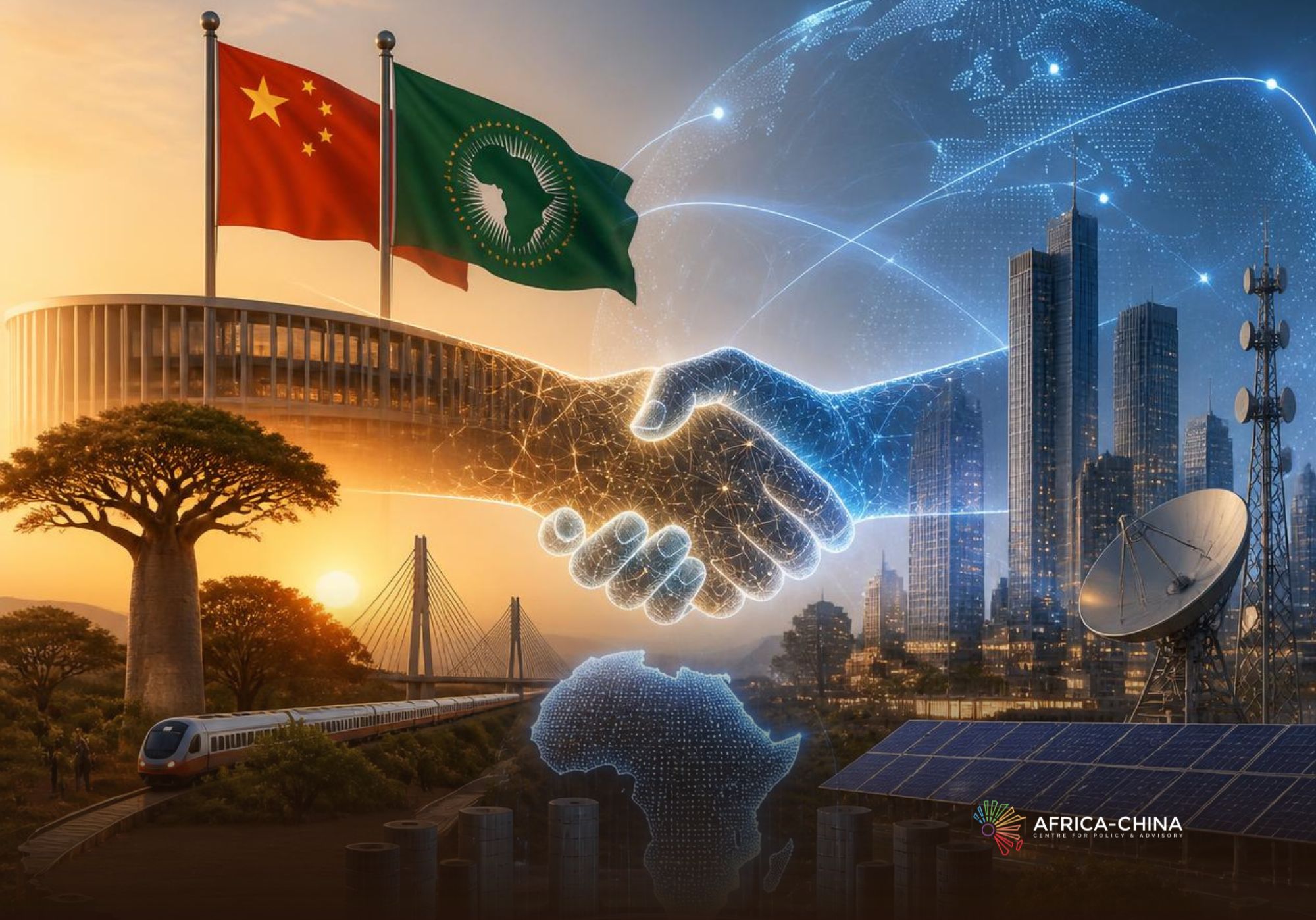
From FOCAC Commitment to Institutional Reality: The Emerging Architecture of China–Africa Digital Cooperation
At the 2024 FOCAC Beijing Summit, China and African countries committed to establishing a China–Africa Digital Technology Cooperation Centre and advancing 20 digital infrastructure and transformation demonstration projects. The Centre’s opening in Hangzhou in August 2026 marks a shift from diplomatic intent towards institutional implementation.
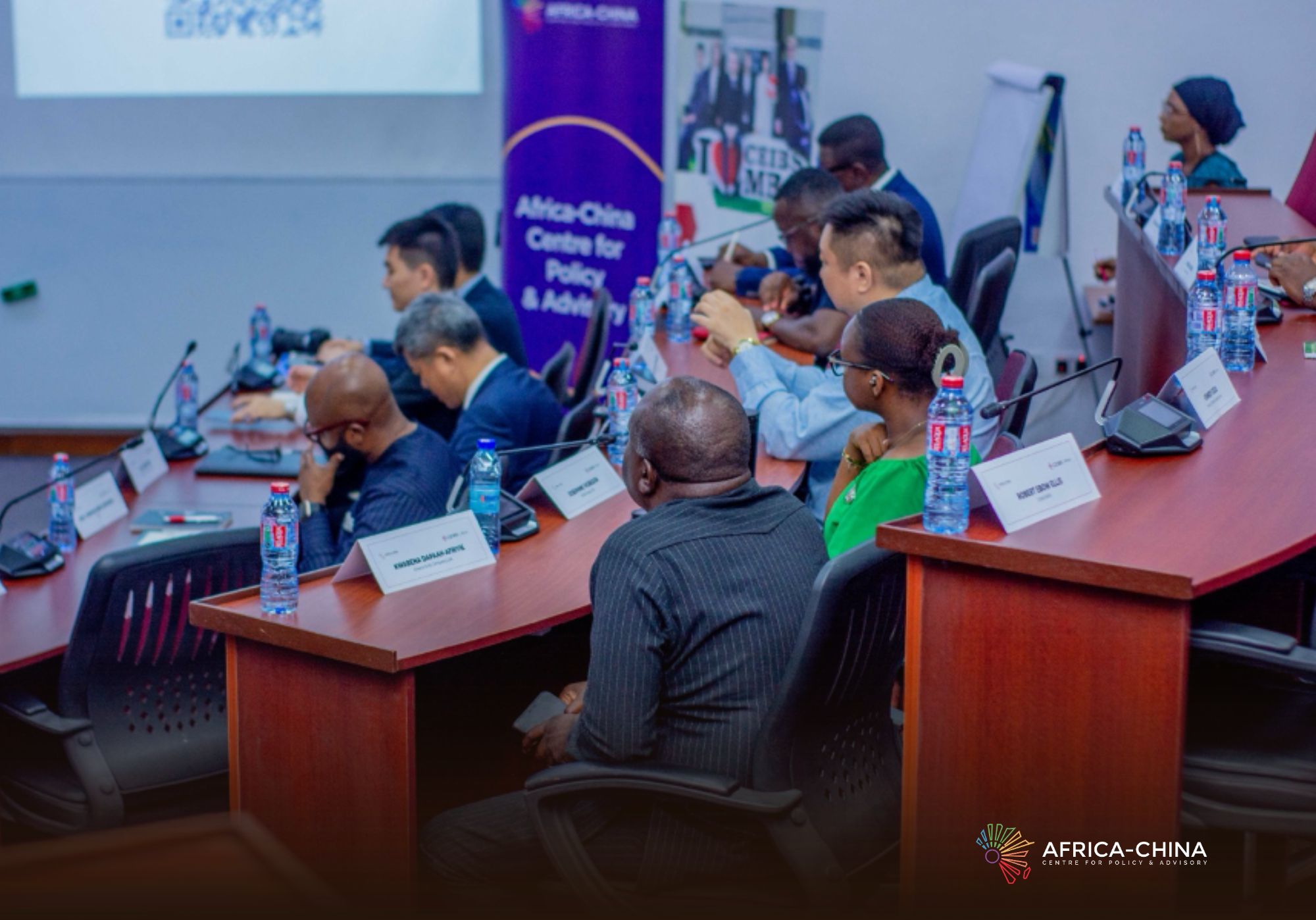
Stakeholders Propose Ghana–China Zero-Tariff Fund to Finance Ghanaian Exporters
Stakeholders from government, financial institutions, regulatory agencies, the private sector and academia have proposed the establishment of a dedicated Ghana–China Zero-Tariff Fund to address financing constraints that could limit the ability of Ghanaian businesses to take advantage of China’s zero-tariff policy.
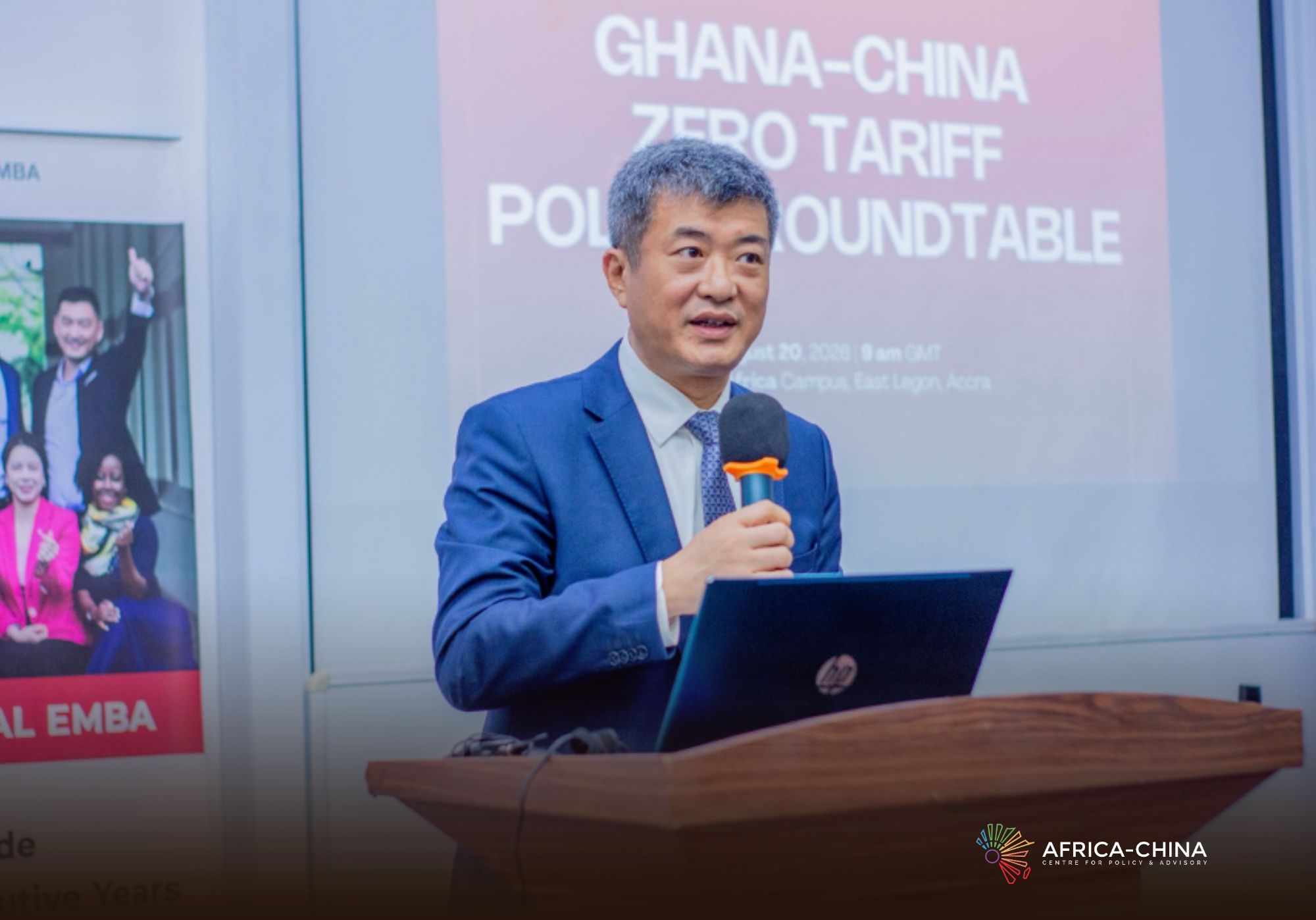
Access, Alignment and Advocacy: Chinese Ambassador Outlines Path for Ghana under Zero-Tariff Policy
The Africa–China Centre for Policy & Advisory (ACCPA) and the China Europe International Business School (CEIBS Africa) have signed a Memorandum of Understanding (MoU) to strengthen collaboration on policy, business and knowledge exchange relating to Africa–China cooperation.
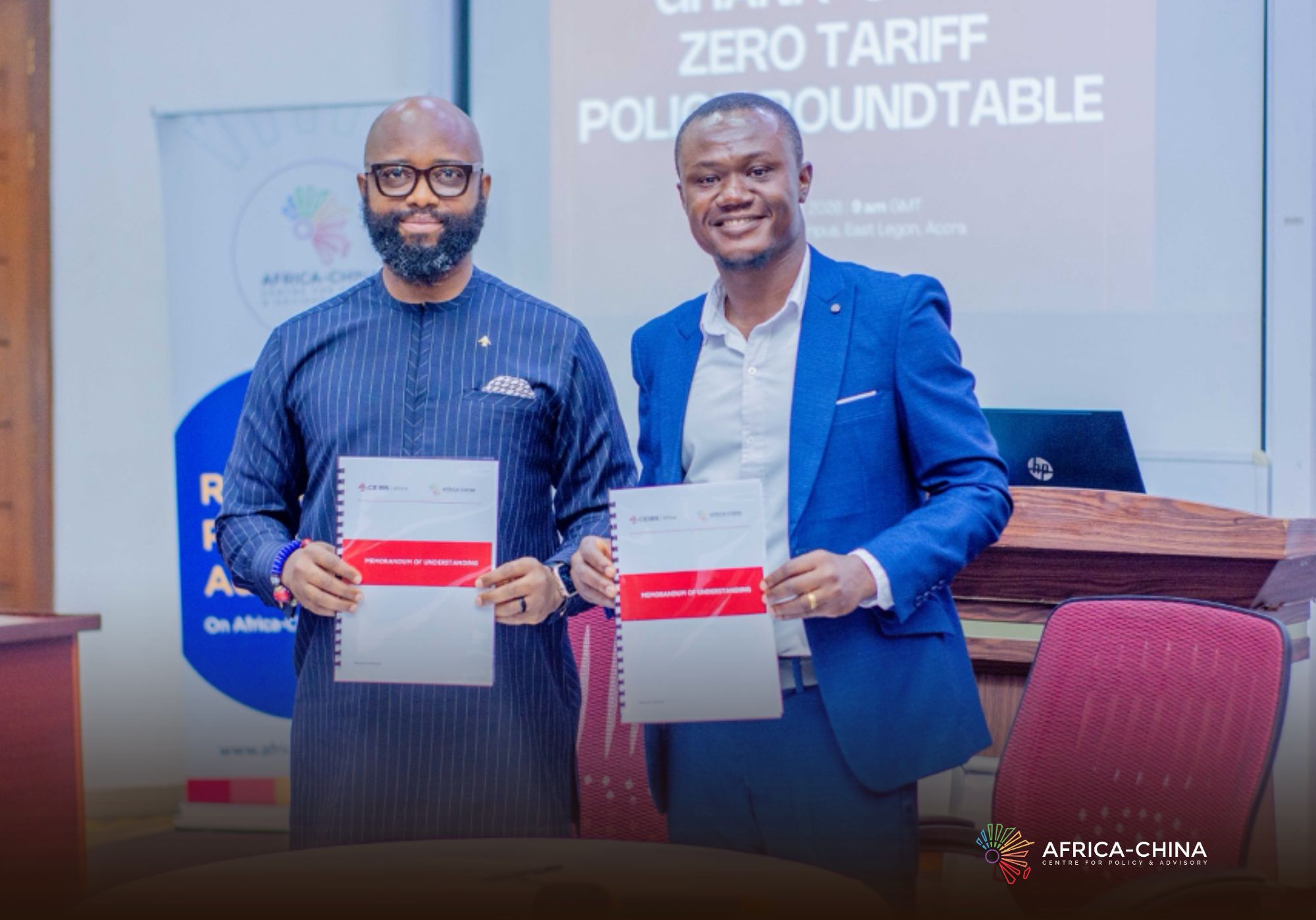
ACCPA, CEIBS Africa Sign MoU to Strengthen Africa–China Policy and Business Cooperation
The Africa–China Centre for Policy & Advisory (ACCPA) and the China Europe International Business School (CEIBS Africa) have signed a Memorandum of Understanding (MoU) to strengthen collaboration on policy, business and knowledge exchange relating to Africa–China cooperation.
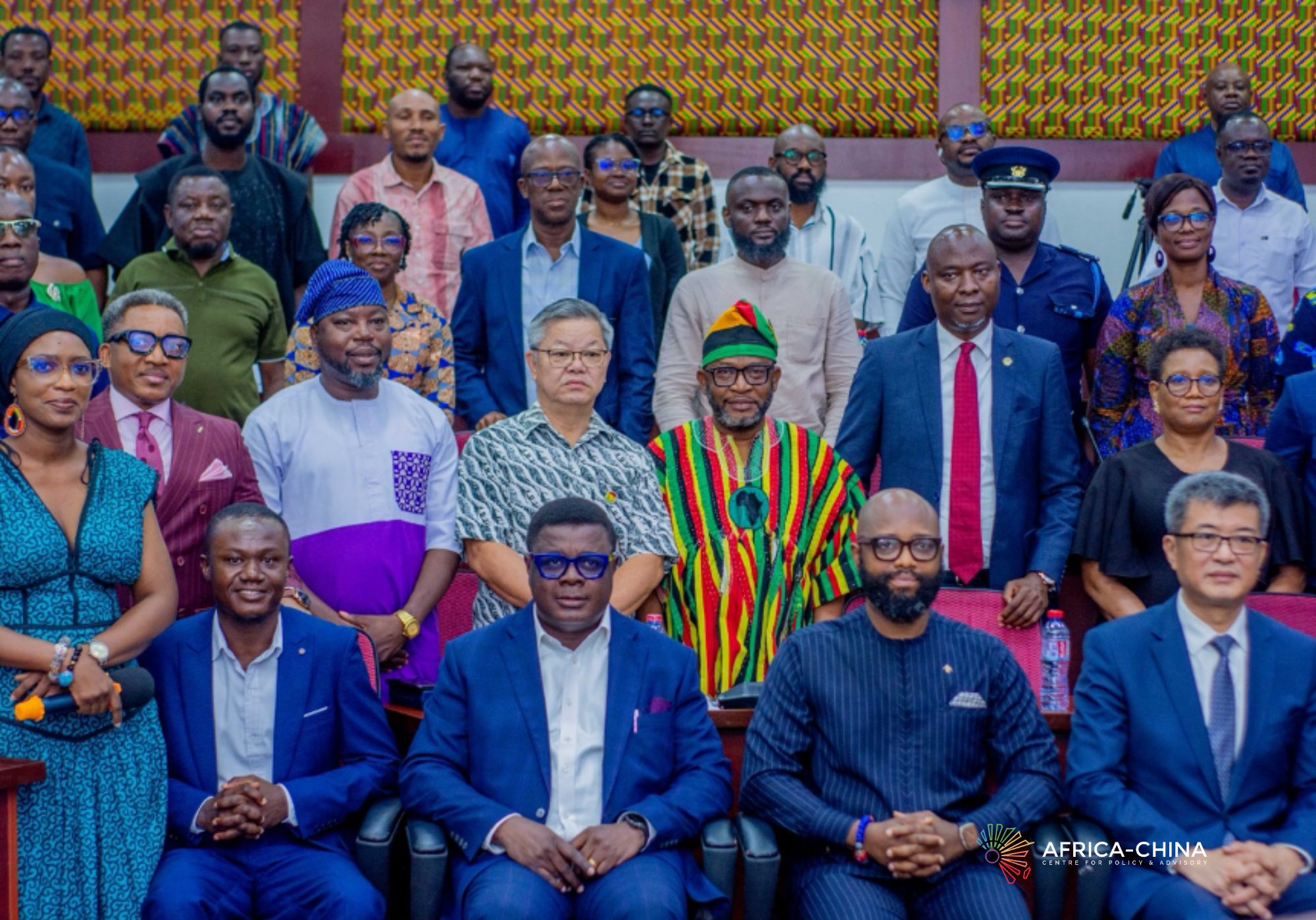
ACCPA, CEIBS Africa Convene High-Level Roundtable on Ghana’s Opportunities under China’s Zero-Tariff Policy
The Africa-China Centre for Policy & Advisory (ACCPA) and China Europe International Business School (CEIBS Africa) have convened a high-level policy roundtable in Accra to examine how Ghana can translate China’s zero-tariff policy into increased exports, stronger competitiveness and deeper commercial engagement with the Chinese market.

Beyond Extraction: Can Critical Minerals Drive Africa’s Industrialization?
The continent possesses an extraordinary share of the world’s critical mineral wealth. The Democratic Republic of Congo (DRC) dominates global cobalt production, while Zambia remains indispensable to copper supply and Zimbabwe occupy an important position in the global lithium supply chain.
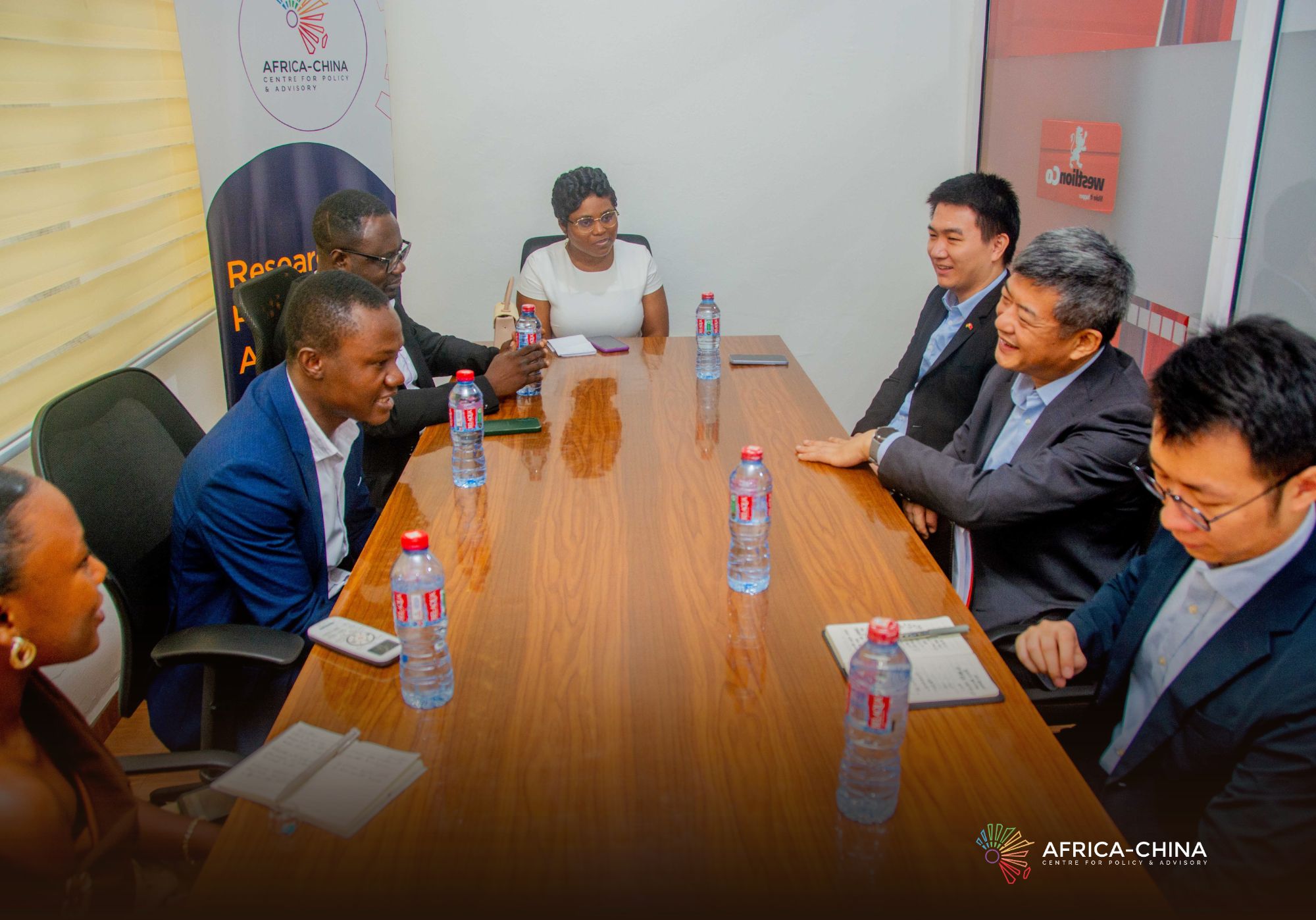
ACCPA Hosts Chinese Ambassador at the 2026 Ghana–China Media Fellowship
The Africa-China Centre for Policy and Advisory (ACCPA) has hosted China’s Ambassador to Ghana, H.E. Cong Song, for a special engagement with media professionals participating in the 2026 Ghana–China Media Fellowship in Accra.
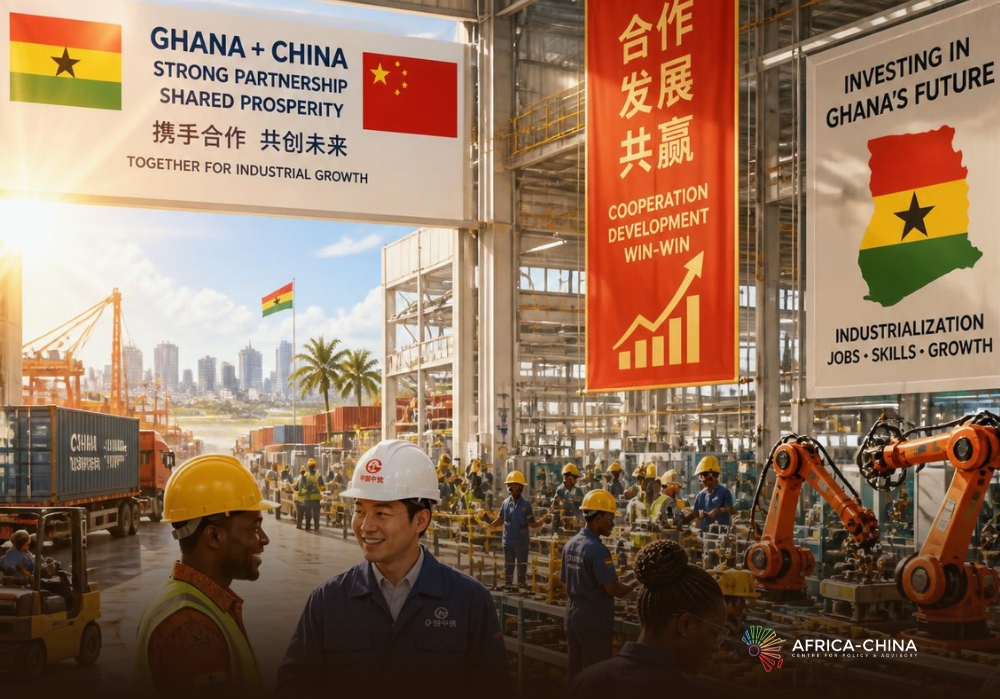
From Exports to Factories: Can China’s Zero-Tariff Policy Attract More Manufacturing Investment to Ghana?
China’s zero-tariff policy offers Ghana an opportunity that extends well beyond expanding exports of primary commodities. Its greatest potential lies in attracting investment that transforms raw materials into higher-value manufactured products within the country.

Infrastructure Alone Is Not Enough: Key Insights from ACCPA’s Webinar with Dr. Elisa Gambino
Africa’s industrial future will not be determined solely by external investment.
Instead, domestic institutions, industrial strategies, regulatory frameworks and the capabilities of local firms will play a decisive role in determining whether international partnerships generate lasting economic transformation.