A cup of tea and a cocoa bean
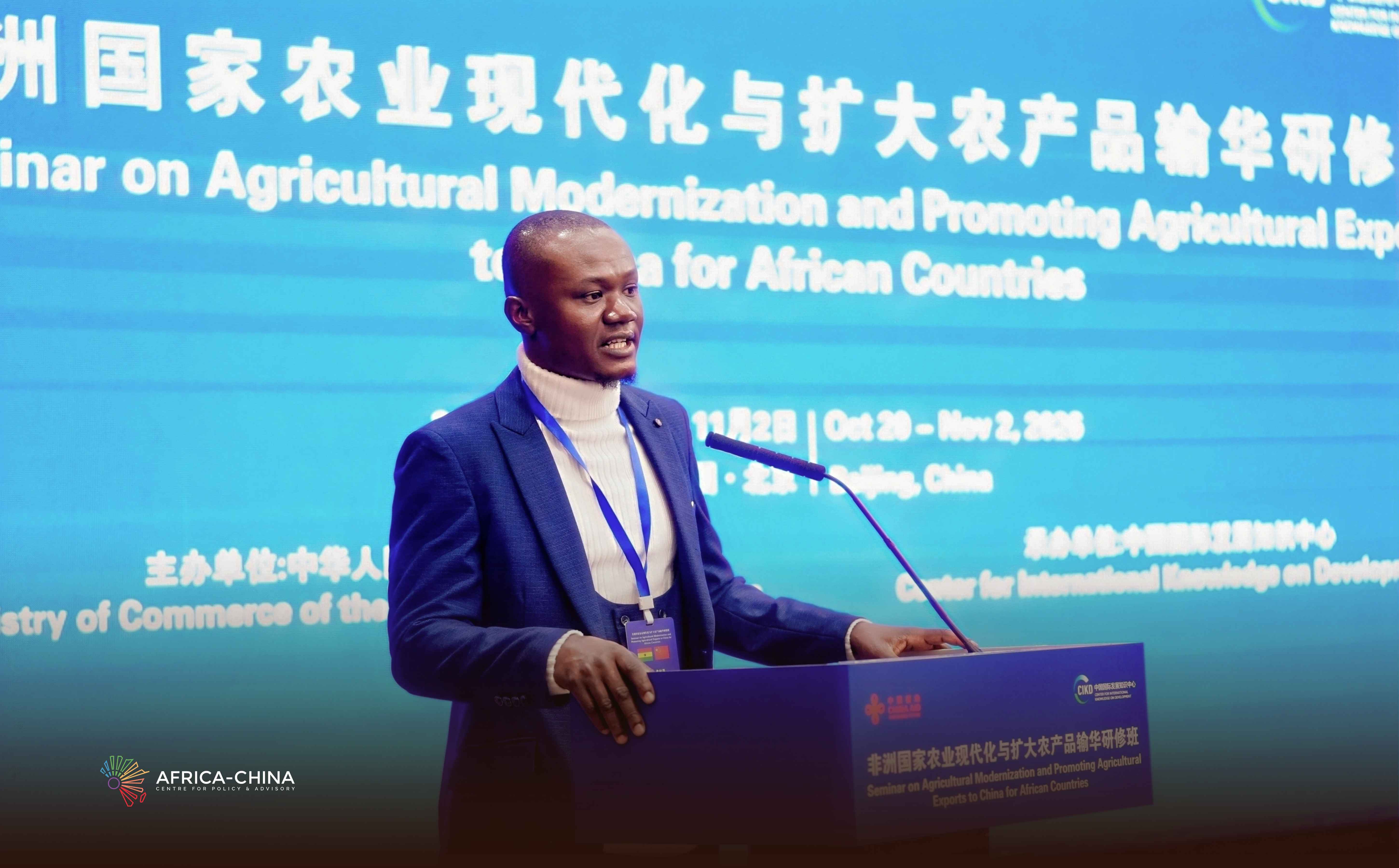
Several hundred kilometres south of Kunming, the capital of Yunnan Province in southwest China, tea and coffee grow in the green hills around Pu’er. As I tasted the tea there, I found myself thinking about a cocoa bean back home in Ghana.
What stayed with me was how close the cup felt to the place it came from. I could see how the tea was made, hear about where it was grown and buy a packet to take home. Each part of that visit involved someone’s work: growing the leaves, processing them, preparing the tea or guiding visitors.
A Ghanaian cocoa bean can travel halfway around the world before someone tastes it in a bar of chocolate. How much of the work along that journey could happen closer to the farm where it was grown?
Follow the bean home
Picture a cocoa farmer in Ghana preparing a harvest for sale. Fermenting and drying the beans takes care, and the choices the farmer makes at this stage affect what a buyer can do with them. Now picture a young person in the same community who wants to earn a living without necessarily becoming a farmer. Could that person learn to test bean quality, run a shared drying facility or help a local business package and sell cocoa products?
Ghana already processes cocoa and makes chocolate. The question is which parts of that work can make commercial sense closer to the communities that grow it. A large factory needs dependable power, transport and enough buyers to keep it running. A shared drying or quality-testing service could start closer to the farm, provided enough producers use it and buyers are willing to pay for better beans.
That is where I would start: with work that solves a problem farmers and buyers already have. The test is whether the farmer earns more and the young person has a job that lasts.
What the experience in China showed me
Two things stood out to me in Pu’er. The first was how processing gave businesses more ways to earn from the same crop. A tea leaf could be processed and sold in a packet, served by the cup or offered as part of a tasting. Each option required different skills and gave customers a different reason to spend. For the businesses involved, that meant several ways to earn from what farmers grew.
The second was how the place itself became part of the product’s appeal. Learning where the tea was grown and how it was made gave me a reason to remember it. A visitor could taste it on the spot and take some home. The purchase also created work for people who might never grow tea themselves, from those who guided visitors to those who prepared and packaged the product.
The lesson I took from China is that these activities make more sense together. A grower can supply the quality a processor needs. The processor can turn that quality into something a buyer recognises and is willing to pay for. Other businesses can earn by helping bring the product to market. For Ghana, the practical question is which of those connections we can build around cocoa, close enough to the farm for the surrounding community to benefit.
What one cocoa community could try
Imagine a cocoa farmer group, a Licensed Buying Company and a Ghanaian chocolate maker testing an arrangement for one harvest. The chocolate maker explains what it needs: beans fermented and dried to an agreed standard. The licensed company would buy the beans from farmers. Before the trial begins, the partners would confirm with COCOBOD and its Cocoa Marketing Company how the beans could reach the chocolate maker and how any agreed quality premium would be paid to farmers.
A training partner could help farmers improve fermentation and drying, starting with a small batch. The group could train and pay a young person from the community to manage a shared drying area and keep a record of whose beans go into each batch. Farmers would know what they stand to earn before putting in extra work. The chocolate maker could test whether the beans meet its needs and, if the batches can be traced, tell customers where the cocoa was grown.
The arrangement could still fail. The extra labour might cost farmers more than the premium is worth. Trial beans could get mixed with other batches, or farmers and the buying company could disagree about whether a batch meets the standard. Payment could also come too late to make the arrangement worthwhile. That is why the first trial should be small, with clear terms on grading and payment. At the end of the harvest, two questions matter: did farmers earn more after costs, and does the chocolate maker want another batch?
What would make the pilot worth expanding?
The farmer group would organise the work in the community, keeping a record of who supplied each batch and what each farmer was paid. The chocolate maker would specify the quality and volume it needs and could cover the cost of testing the trial batches. A training institution or development partner could fund the initial training. Before the first batch is prepared, the partners should agree on who would pay for drying, handling and testing if the arrangement continued for another season.
The Licensed Buying Company would purchase the beans from farmers, keep the trial batches separate and record the quality results. The partners would confirm with COCOBOD and its Cocoa Marketing Company how the beans would reach the chocolate maker and how any agreed premium would be paid to farmers. Each farmer should know when to expect payment and be able to see why a batch qualified for the premium or fell short.
At the end of the harvest, I would look for three results. Did farmers earn more after allowing for the extra labour, transport and handling? Did someone in the community get paid to run the drying area or keep the batch records, and could that work continue after the initial support ended? Did the chocolate maker place a second order on terms that still made sense for everyone involved? A second order would tell us more than an enthusiastic reception at the launch.
Cooperation with China could help answer a practical question: how do producing areas such as Pu’er organise shared services that individual farmers or small businesses cannot afford on their own? Ghanaian farmer groups, processors and training institutions could look at who runs those facilities, how users pay for them and how quality is checked across suppliers. The case for expanding would rest on whether the approach works for the people paying for it and the people doing the work.
Return to the bean
I think back to the farmer and the young person in that cocoa community. For the farmer, progress would mean knowing before the harvest what a buyer will pay for better beans and finding, after the sale, that the extra work was worth it. For the young person, it might mean learning to manage a drying facility or assess bean quality, then earning enough from that work to see a future in it.
Those are modest gains to look for in a first season, but they are gains people can feel. A Ghanaian cocoa bean can travel the world. More of the opportunity it creates should take root where it was grown.