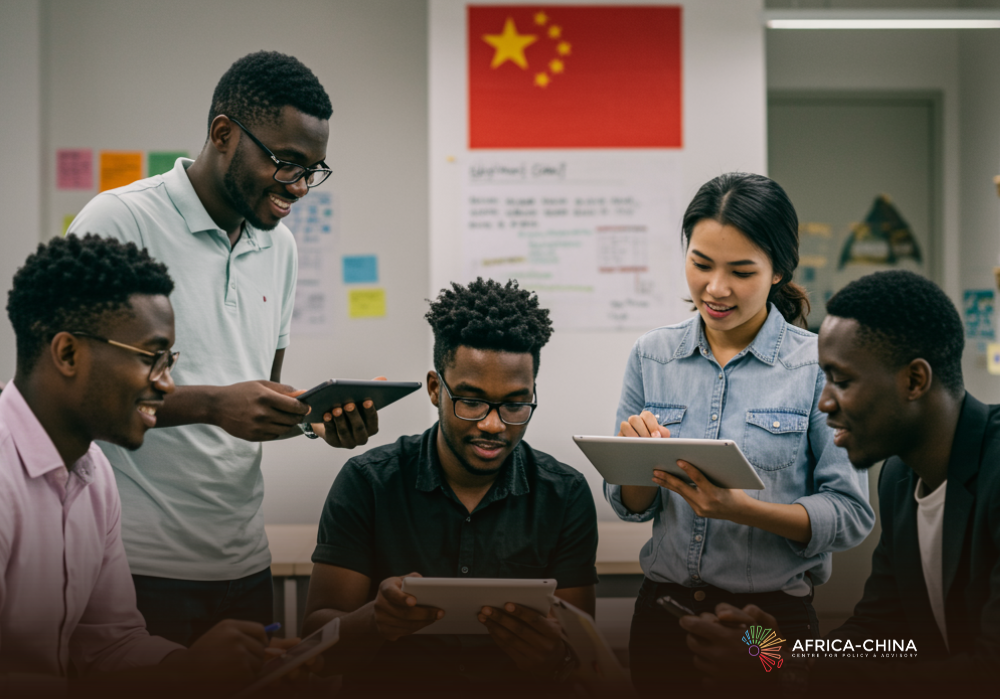
China–Africa relations are often described in the language of scale: trade volumes, infrastructure corridors, financing agreements, and high-level summits. These metrics matter. They reflect ambition, seriousness, and long-term commitment. Yet no partnership—however well financed or institutionalised—can endure on agreements alone. Relationships are sustained by people. Contracts establish frameworks; human connections give them meaning.
China’s designation of the China–Africa Year of People-to-People Exchanges therefore represents more than a symbolic gesture. It signals a strategic recognition that the future of China–Africa cooperation will depend not only on what governments negotiate, but on how societies understand, trust, and engage with one another in everyday life.
Strong Institutions, Uneven Human Visibility
Over the past two decades, China–Africa cooperation has developed one of the most structured partnership architectures in the Global South. Through mechanisms such as the Forum on China–Africa Cooperation, engagement has expanded across infrastructure, trade, industrialisation, health, education, and technology. Roads, railways, ports, industrial parks, and hospitals stand as visible symbols of this cooperation.
Yet alongside these achievements lies a quieter reality. While governments and enterprises interact frequently, the human dimension of the relationship often remains secondary in public discourse. Many Africans experience China–Africa relations not through summits, but through Chinese-built factories, markets, hospitals, and training centres. Likewise, many Chinese citizens encounter Africa through work assignments, study programmes, or business ventures rather than official diplomacy.
Where these everyday interactions are positive, cooperation deepens organically. Where misunderstandings persist—over language, workplace culture, media narratives, or community relations—friction emerges. The lesson is clear: infrastructure can connect economies, but only people can connect societies.
Why People-to-People Exchanges Matter in Practice
People-to-people exchanges matter because they generate trust, familiarity, and informal networks that no formal agreement can mandate. These human ties often determine whether projects succeed or struggle.
Consider vocational and skills cooperation. In several African countries, Chinese-supported vocational institutes linked to industrial zones have helped align training with real labour-market needs. Graduates trained in garment production, construction techniques, machinery operation, or electrical installation are able to transition directly into employment. These outcomes are not driven by policy documents alone, but by sustained interaction between instructors, trainees, factory managers, and local communities.
Similarly, in health cooperation, Chinese medical teams working in African hospitals have often gone beyond clinical services to train local staff, introduce new procedures, and build long-term professional relationships. Over time, these collaborations improve service delivery and foster mutual respect—effects that outlast individual missions.
In business, trust built through repeated human interaction can be decisive. African traders operating in Chinese manufacturing hubs, and Chinese small and medium-sized entrepreneurs embedded in African markets, frequently rely on personal networks to navigate regulations, resolve disputes, and adapt products to local tastes. These informal relationships reduce transaction costs and strengthen economic resilience.
From Exposure to Enduring Connection
Re-centering people requires moving beyond short-term exposure toward long-term connection. Exchange programmes that prioritise visits without follow-up often produce limited impact. By contrast, initiatives that emphasise continuity, reciprocity, and co-creation tend to yield deeper returns.
Youth and education offer a clear example. Thousands of African students have studied in Chinese universities, acquiring technical knowledge, language skills, and professional networks. Those who remain connected—through alumni associations, research collaboration, or business partnerships—often become informal bridges between the two societies. Their value lies not only in what they learned, but in their ability to translate cultures and expectations in both directions.
Media exchanges provide another illustration. Journalists who spend extended time reporting from each other’s societies often return with more nuanced perspectives, challenging simplistic narratives. Their reporting, grounded in lived experience, can gradually reshape public understanding and reduce suspicion fuelled by distance and misinformation.
Re-centering people therefore means designing exchanges that prioritise depth over volume, learning over symbolism, and long-term engagement over one-off events.
Key Arenas Where People Make the Difference
Several areas stand out as especially impactful.
- Youth, education, and skills development remain foundational. The next phase of cooperation must focus on employability, entrepreneurship, and innovation—linking education and training to industrial needs, green development, and digital transformation. When young people see clear pathways from learning to livelihoods, people-to-people exchanges become engines of development rather than isolated experiences.
- Media, culture, and creative industries shape perception and identity. Cultural festivals, film cooperation, joint content production, and journalist exchanges help humanise societies that are often viewed through geopolitical lenses. Shared cultural spaces—music, film, food, fashion—can communicate connection more powerfully than official statements.
- Business, labour, and community engagement are where cooperation is most tangible. Workplace harmony, community relations, and local participation determine whether economic projects are socially sustainable. Language training, cultural orientation, and community dialogue have proven effective in reducing tensions and improving outcomes.
- Health, technology, and community service reflect cooperation at its most human. Joint problem-solving—whether in hospitals, laboratories, or rural communities—builds solidarity rooted in shared challenges and mutual respect.
Turning the Theme into Lasting Impact
The risk with any thematic year is that it becomes rhetorical rather than transformative. To avoid this, people-to-people exchanges must be embedded into long-term planning rather than treated as side activities.
Coordination among governments, embassies, universities, think tanks, civil society, and the private sector is essential. Equally important is inclusivity—ensuring participation across regions, genders, and social groups. Most critically, programmes should be designed to continue beyond the year, with clear indicators of success focused on skills built, networks sustained, and collaborations maintained.
African institutions, for their part, must engage proactively—articulating priorities, proposing initiatives, and shaping agendas—so that people-to-people cooperation reflects genuine partnership rather than passive reception.
Affection as Strategic Capital
Re-centering people in Africa-China relations is ultimately about recognising affection as strategic capital. Affection here does not imply idealisation, but familiarity built through sustained interaction, trust earned through cooperation, and empathy developed through shared experience.
Agreements will continue to matter. Investment flows will remain important. But as Africa-China relations mature in a complex global environment, their resilience will depend increasingly on the strength of human ties beneath the formal architecture. If approached with seriousness and intention, the China–Africa Year of People-to-People Exchanges can mark a turning point—ensuring that the partnership is not only negotiated at the top, but lived, understood, and sustained by people.nomically dynamic, socially grounded, and capable of adapting to the challenges and opportunities of a changing world.